

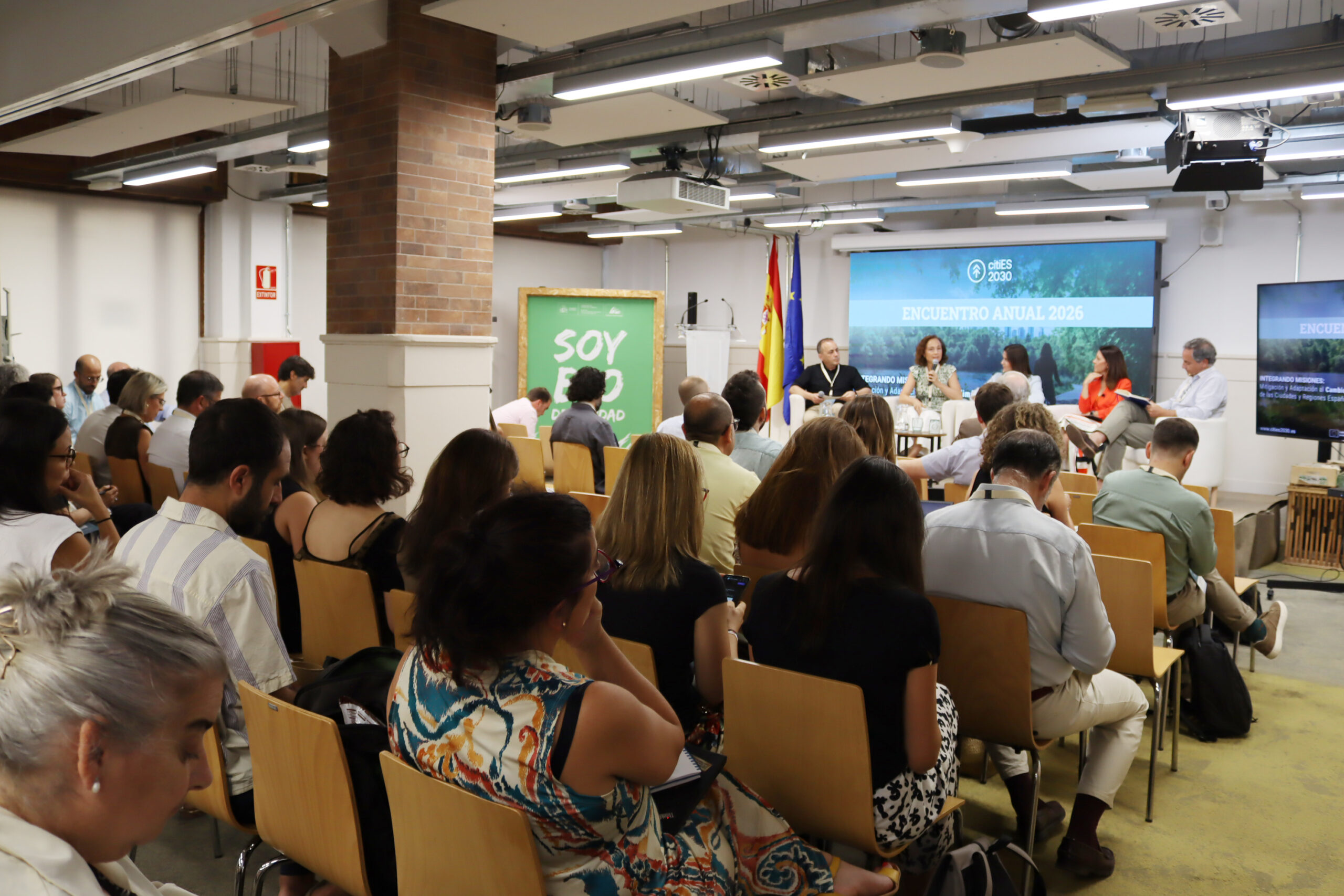
Sustainable mobility was addressed in this section as a strategic policy capable of transforming not only the way we get around, but also the model of the city and region we want to build.
Positioning Mobility as a Structural Policy for Cities and Regions [Watch the livestream]
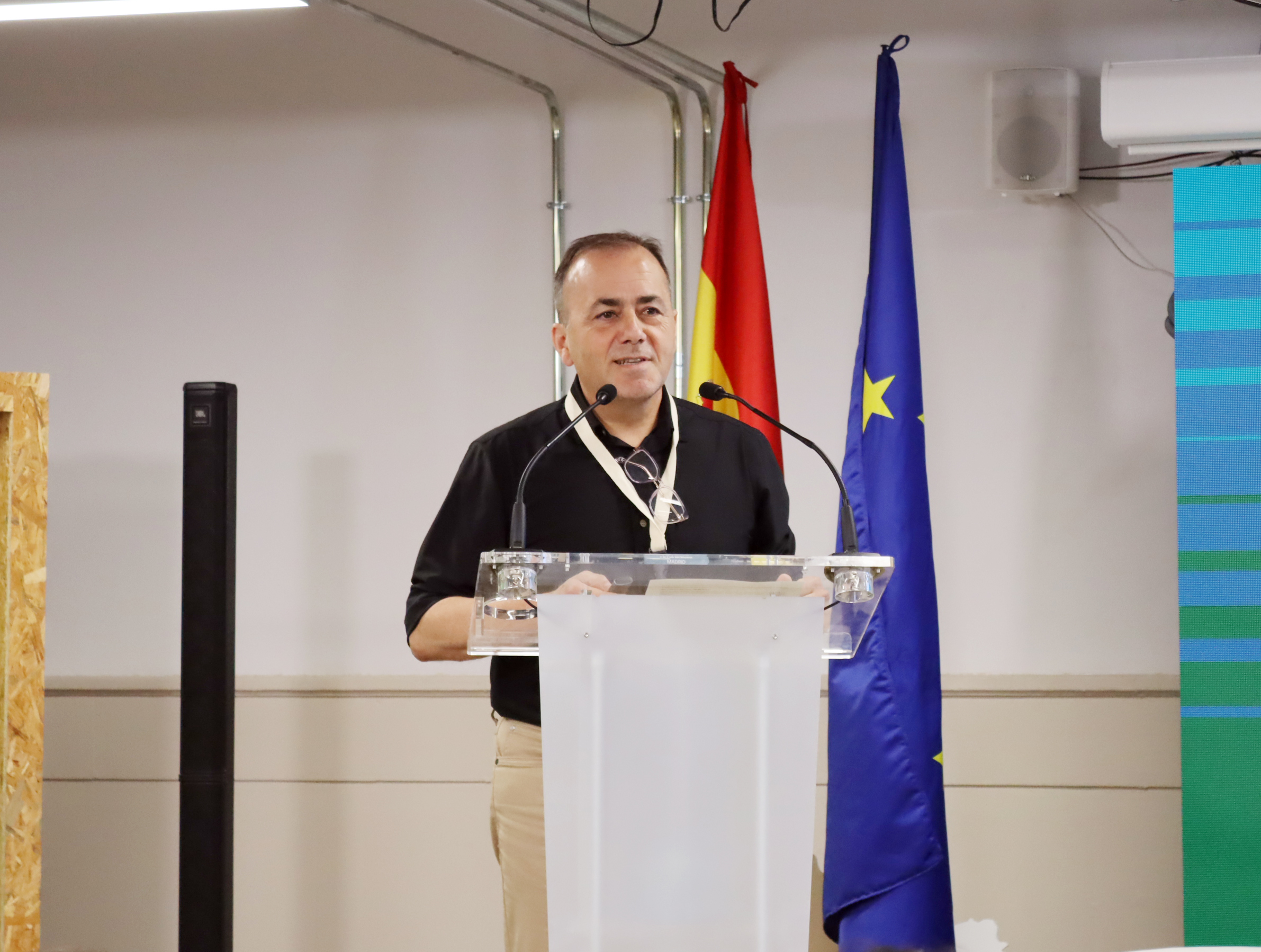
The session began with a presentation by Aitor Zulueta, director of the Center for Environmental Studies at the City of Vitoria-Gasteiz, who argued for the need to move beyond a sectoral view of mobility and instead understand it as a tool in the service of broader objectives: social cohesion, public health, economic competitiveness, environmental quality, and decarbonization.
Decisions regarding mobility directly influence urban organization, access to services and opportunities, and citizens’ quality of life. In this context, urban models should be compact and community-oriented, inspired by the concept of the“15-minute city,”where active mobility and public transportation play a central role.
Roundtable: Planning, Funding, and Pilot Projects to Accelerate the Rollout of Sustainable Mobility [Watch the livestream]
The roundtable discussion that followed, also moderated by Zulueta, brought together representatives from IDAE, Iberdrola, Empresas por la Movilidad Sostenible (EMS), and Mobility Lab in Vitoria-Gasteiz to discuss how to accelerate the effective deployment of sustainable mobility solutions.
One of the most frequently repeated messages was that planning, while essential, is no longer enough: the current challenge is to turn strategies and plans into concrete, scalable projects. To this end, participants emphasized the importance of combining urban planning, adequate funding, public-private partnerships, technological innovation, and citizen participation.
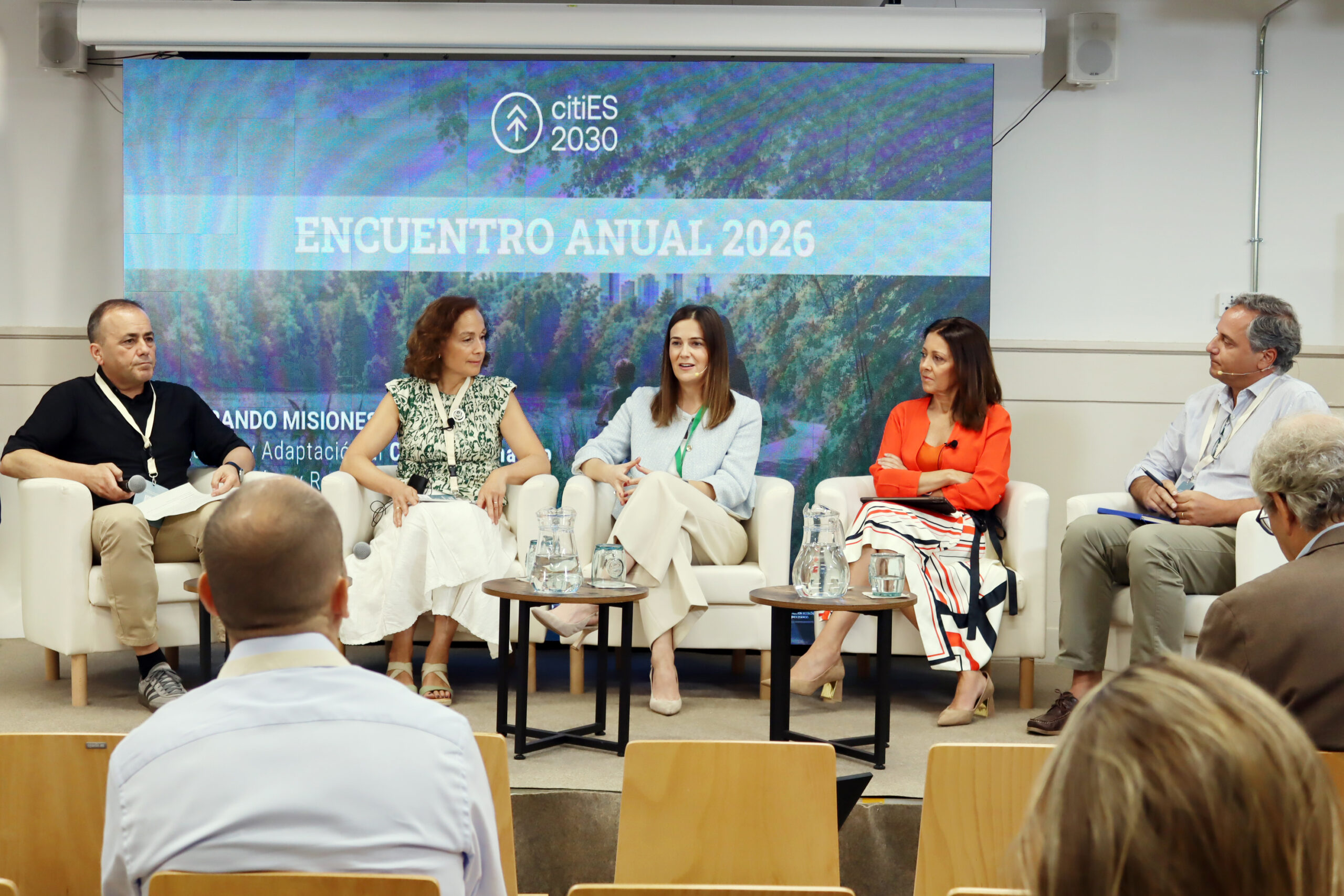
Isabel del Olmo, head of the IDAE’s sustainable mobility department, highlighted the role of Sustainable Urban Mobility Plans (SUMPs), Low-Emission Zones, and Commuter Transportation Plans as essential tools for reducing emissions and promoting a shift in transportation modes, given that between 30% and 40% of trips made on weekdays are work-related. She also stressed the need to strengthen cities’ technical capabilities in areas such as digitalization, smart traffic management, and fleet electrification.
For her part,Ana Valentín-Gamazo, head of Urban Mobility at Iberdrola, focused on the deployment of charging infrastructure and the electrification of public transportation. It was noted that the technology is already available and mature, but that challenges remain regarding the capacity of the power grids, the availability of power, and the administrative flexibility needed to carry out large-scale projects.
Yolanda Riber, Director of Business Excellence for Sustainable Mobility, emphasized the importance of communication, the dissemination of best practices, and public education to foster acceptance of sustainable mobility measures. Examples of low-cost, high-impact initiatives implemented by municipalities of various sizes were also shared.
Finally,Iñigo Bilbao, director of the Mobility Lab Vitoria-Gasteiz Foundation, emphasized experimentation, collaboration among government agencies, companies, and technology centers, and the need to create spaces where innovative solutions can be tested before scaling them up. The value of urban labs, pilot projects, and demonstration environments was highlighted as a means to reduce risks and accelerate the adoption of new technologies and mobility models.
In conclusion, the group reaffirmed that sustainable mobility should be understood as a structural element of urban and territorial transition, capable of simultaneously contributing to decarbonization, climate resilience, health, accessibility, and an improved quality of life.