Annual Meeting citiES 2030

Madrid | Fundación Biodiversidad

July 13–14, 2026

Integrating Missions: Climate Change Mitigation and Adaptation in Spanish Cities and Regions
https://cities2030.es/wp-content/uploads/2026/06/FB.webp

The citiES 2030 Annual Meeting is now history. And it has left its mark. 

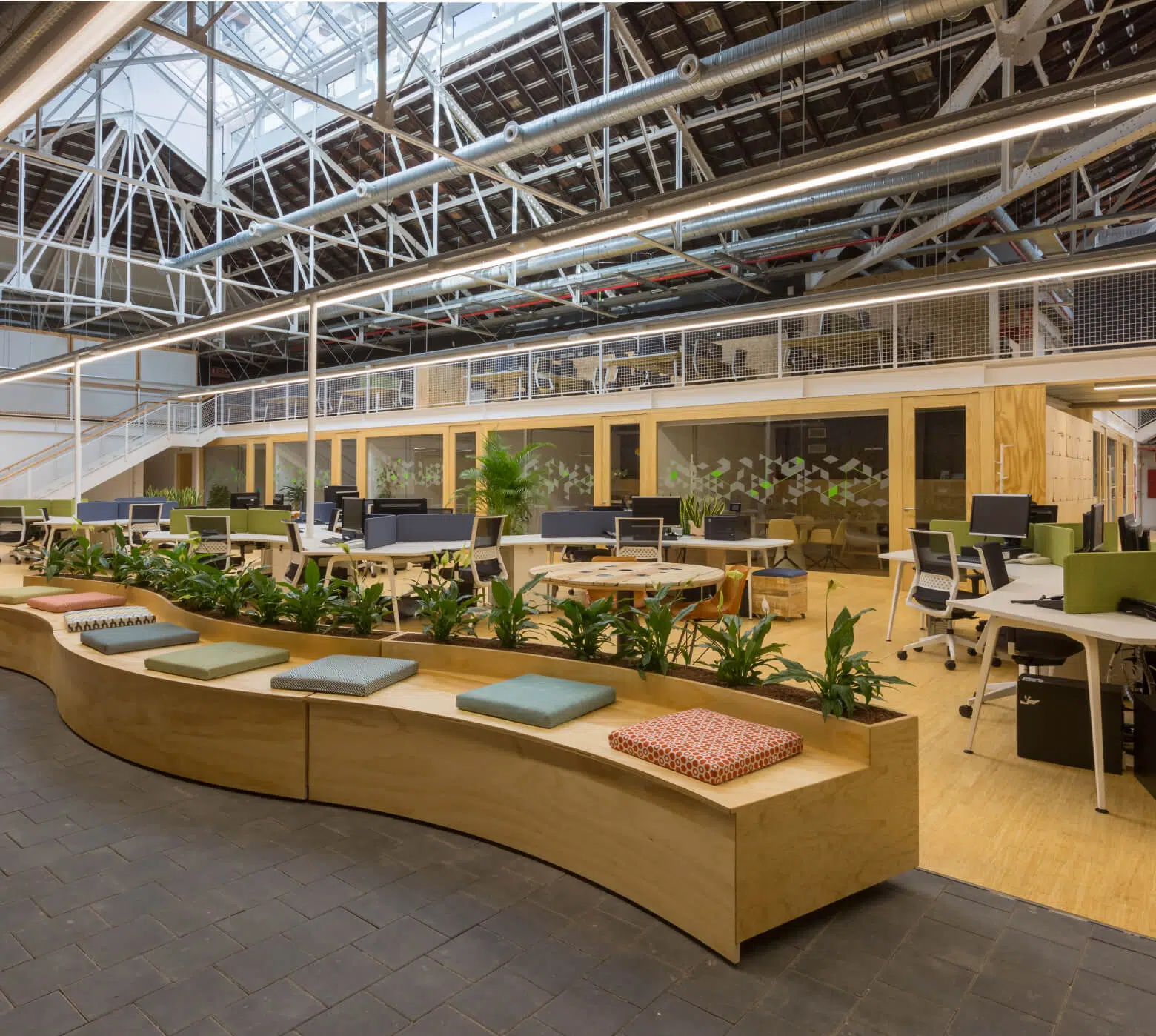
On July 13 and 14, the Biodiversidad Foundation’s headquarters in Madrid hosted the fifth annual citiES 2030 conference. Over the course of two days, cities, public administrations, experts, and leading organizations shared experiences, discussed solutions, and made progress together on the urban climate transition, guided by a shared conviction: the transformation our communities need cannot wait, and it requires all stakeholders to work toward the same goal. 

The first day opened with a high-level institutional dialogue between the directors-general of Climate Change, Science and Innovation, and the Urban Agenda, which highlighted a fundamental point: no single sectoral policy can, on its own, transform a city. Coherence across scales and collaborative work are the starting point. Íñigo Losada, from the Institute of Environmental Hydraulics at the University of Cantabria, demonstrated the potential of the digital twin of the Spanish coastline (the Atalaya System) as a tool for anticipating risks and supporting science-based land-use management decisions. And Silvia Ghiretti, speaking from Brussels, gave us a glimpse into the upcoming 2028–2034 Multiannual Financial Framework: with nearly two trillion euros allocated and at least 35% earmarked for climate projects, cities have a real window of opportunity, and now is the time to position themselves. The afternoon was devoted to exploring tools and methodologies for turning climate ambition into fundable projects, within the framework of the European Pathways2Resilience project . 

The second day focused on practical applications. The energy retrofit track, led by the URBANEW-EMC3 project, sent clear messages: the neighborhood level is the most effective unit for intervention; the data exists, but it must be connected; and support for citizens—not regulations alone—is what ensures that retrofits truly reach those who need them most. The case studies from the Valladolid Subdelegation of Defense and Club Atlético de Madrid demonstrated that energy-efficient renovation is possible in very different contexts. Climate resilience and post-DANA reconstruction brought to the forefront the voices of regional governments and, above all, the mayors of Valencian municipalities who are turning a catastrophe into an opportunity to build their communities differently. Sustainable mobility wrapped up the morning with a question that lingered: What is needed for planning to translate into real transformation of our streets? 

And then came the moment for the cities: the Operation citiES 2030: five cities, five minutes each, five projects, and the entire room serving as the jury. Chiclana presented the street-by-street transformation of its historic district (from a river of vehicles to a river of life) and won the award for the most replicable project. Madrid shared the Regenera Plan, a strategy for regenerating vulnerable neighborhoods built before 1985 that affects 2.6 million residents. Soria showcased the results of the BRERA project: 527,000 m² of new green spaces, 300 trees, and a network of biodiversity indicators open to the public. Valencia presented the Sustainable Valencia Forum (the “boring revolution”: more than 60 connected organizations, 15 working sessions, and a collaborative ecosystem) and received the award for the most innovative project. And Valladolid closed with the “fun revolution”: comedy and music festivals to bring the Mission’s goals closer to residents who would never attend a technical conference. The audience voted for its project as the highest-rated overall. 

The event concluded with a citizen participation workshop facilitated bySustainable Startup & Co, which highlighted something that is sometimes overlooked in technical debates: no climate transformation is sustainable if it does not involve those who live in and make up the cities. And the closing ceremony brought a very well-received surprise: Hugo Morán Fernández, Secretary of State for the Environment, closed the event with remarks that underscored the value of citiES 2030 as a space for transformation and the importance of what cities are building.  

We’re leaving with a clearer vision, renewed partnerships, and a roadmap that we’ll build together. See you next time. 
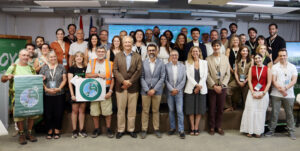
Download the updated program:
Monday, July 13

    Welcome and Official Opening
    +

    Speakers


    Elena Pita, Director General of the Spanish Office for Climate Change— Ministry for Ecological Transition and the Demographic Challenge.

    Opening Dialogue. Cities and Regions in Transition: Aligning Climate Policy, Science, Innovation, and the Urban Agenda to Accelerate Urban and Regional Transformation.
    +

    Speakers


    • Elena Pita, Director General of the Spanish Office for Climate Change—Ministry for Ecological Transition and the Demographic Challenge.
    • Elisa Rivera, Director General of Planning, Coordination, and Knowledge Transfer—Ministry of Science, Innovation, and Universities.
    • María Teresa Verdú Martínez, Director General of Urban Planning and Architecture—Ministry of Housing and Urban Planning.
    Moderator: Ignacio Torres, Deputy Director of Biodiversity and Climate Change at the Biodiversity Foundation—Ministry for Ecological Transition and the Demographic Challenge.
    Coastal Adaptation from a Multiscale Perspective and Opportunities Arising from the Digital Twin of the Spanish Coast
    +

    Speakers


    • Íñigo Losada, professor of hydraulic engineering at the University of Cantabria and director of research at the Institute of Environmental Hydraulics.
    Tools and Resources for Funding Missions
    +

    European Union Multiannual Financial Framework 2028–2034


    • Pirita Lindholm, director of the European Regions Research and Innovation Network (ERRIN).

    Tools and Resources for Funding Missions


    • José Moisés Martín, Director General of the Center for Technological Development and Innovation (CDTI).
    Co-Governance of the Cities Mission: A Shared Strategy and Roadmap for the Next Cycle
    +
    A space for joint reflection among the cities in the platform on the status of implementation of the Climate Agreements, the challenges identified in the second iteration, emerging needs, and the platform’s strategic and methodological priorities for the coming period. The goal is to collaboratively develop a shared vision of the Mission’s governance model in Spain and the priorities for collective action to continue making progress during 2026–2027 toward climate neutrality by 2030.
    Workshop on funding for missions as part of the European Pathways2Resilience project
    +
    The session will focus on the fundamentals of adaptation financing, addressing current barriers and methodologies for improving the economic viability of projects.

    Facilitated by: Tecnalia and Climate-KIC.

    Tuesday, July 14

      Welcome to the second day and a review of the topics and conclusions from yesterday
      +
      Renovate to Accelerate: Energy Efficiency in the Decisive Phase Leading Up to 2030
      +

      Speakers


      Progress Report on the URBANEW Laboratory: Key Issues and Challenges in Transposing the European Energy Efficiency Directive (EED) and the Requirement to Develop Heating and Cooling Plans


      • Ana Barroso Bosqued, technical secretary of the Spanish Network of Cities for Climate (RECC) – Spanish Federation of Municipalities and Provinces (FEMP).
      • Residential and Buildings Department of the Institute for Energy Diversification and Conservation (IDAE).
      • Beatriz García-Moncó, coordinator of the URBANEW EMC3 project and coordinator of the 2030 Urban Agenda and the Cities Mission, City of Vitoria-Gasteiz.
      • Víctor Viñuales, president of the Ecology and Development Foundation (ECODES).
      Moderator: Technical Secretariat for Mitigation.

      Case Studies in Rehabilitation


      • Ernesto Revilla, Defense Subdelegation in Castile and León.
      • Rocío Torres, Head of Sustainability and Responsible Business.
      • Rehabilitation at Club Atlético de Madrid.
      Moderator: Technical Secretariat for Mitigation.
      Urban Reconstruction and Climate Resilience: From Impact to Opportunity
      +

      Speakers


      Roundtable: Regional Dialogue on Sustainable Territorial Development: Climate Risks, the Urban Agenda, and Climate-Resilient Shelters


      • Juan Carlos Abascal, Deputy Minister for Territorial Planning and Urban Agenda of the Basque Government. Grant Program for the Design and Implementation of Urban Agendas in the Basque Autonomous Community.
      • Marc Vilahur, Director General of Environmental Policy for the Generalitat de Catalunya. Lessons Learned: A Climate-Stressed Region.
      • María López Sanchís, Secretary General for the Environment and Climate Change of the Regional Government of Andalusia.
      Moderator: Fundación Biodiversidad.

      Urban Planning and Innovation for Post-DANA Reconstruction: Urban Reconstruction Agendas and the Climate Resilience Working Group within the Innpulso Network


      • Valencia City Council.
      • Torrent City Council.
      • Riba-roja de Túria City Council.
      • Alzira City Council.
      Moderator: Red Innpulso.
      Urban mobility as the backbone of the city model
      +

      Speakers


      Roundtable: New Opportunities Arising from the Sustainable Mobility Act and FECMO Funds, Implementation of Mobility Capabilities and Services


      • Lucía Martínez Riveiro, Director General of Mobility Strategies, Ministry of Transportation and Sustainable Mobility.
      • Isabel del Olmo, head of the Sustainable Mobility Department at the Institute for Energy Diversification and Saving (IDAE).
      • Smart Cities Manager - Iberdrola.
      Moderator: Technical Secretariat for Adaptation.

      Spaces for Experimentation in Urban Mobility (EDIM)


      • Iñigo Bilbao, director of the Mobility Lab Vitoria-Gasteiz Foundation.
      • A public or private entity working within the framework of the Mobility Lab.
      Moderator: Beatriz García-Moncó, Coordinator of the URBANEW EMC3 project and coordinator of the 2030 Urban Agenda and the Cities Mission, City of Vitoria-Gasteiz.
      Animation and engagement activities
      +
      Engaging the Community: Workshop on Climate Participation and Communication
      +

      DOWNLOAD OUR RECOMMENDATIONS GUIDE

      DOWNLOAD

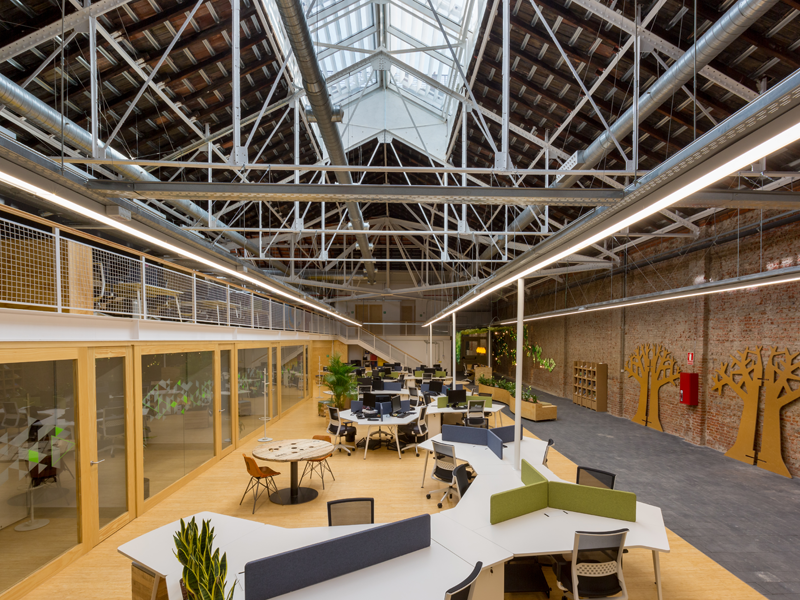
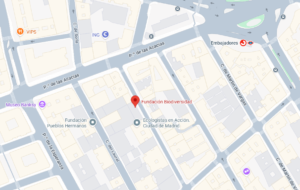
      The event is taking place at the Fundación Biodiversidad headquarters in Madrid.
        Gallery Monday the 13th

          Gallery Tuesday, the 14th

            SOLD OUT

            This event is currently sold out. See you next year!

            2026 Annual Meeting

            Integrating Missions: Climate Change Mitigation and Adaptation in Spanish Cities