

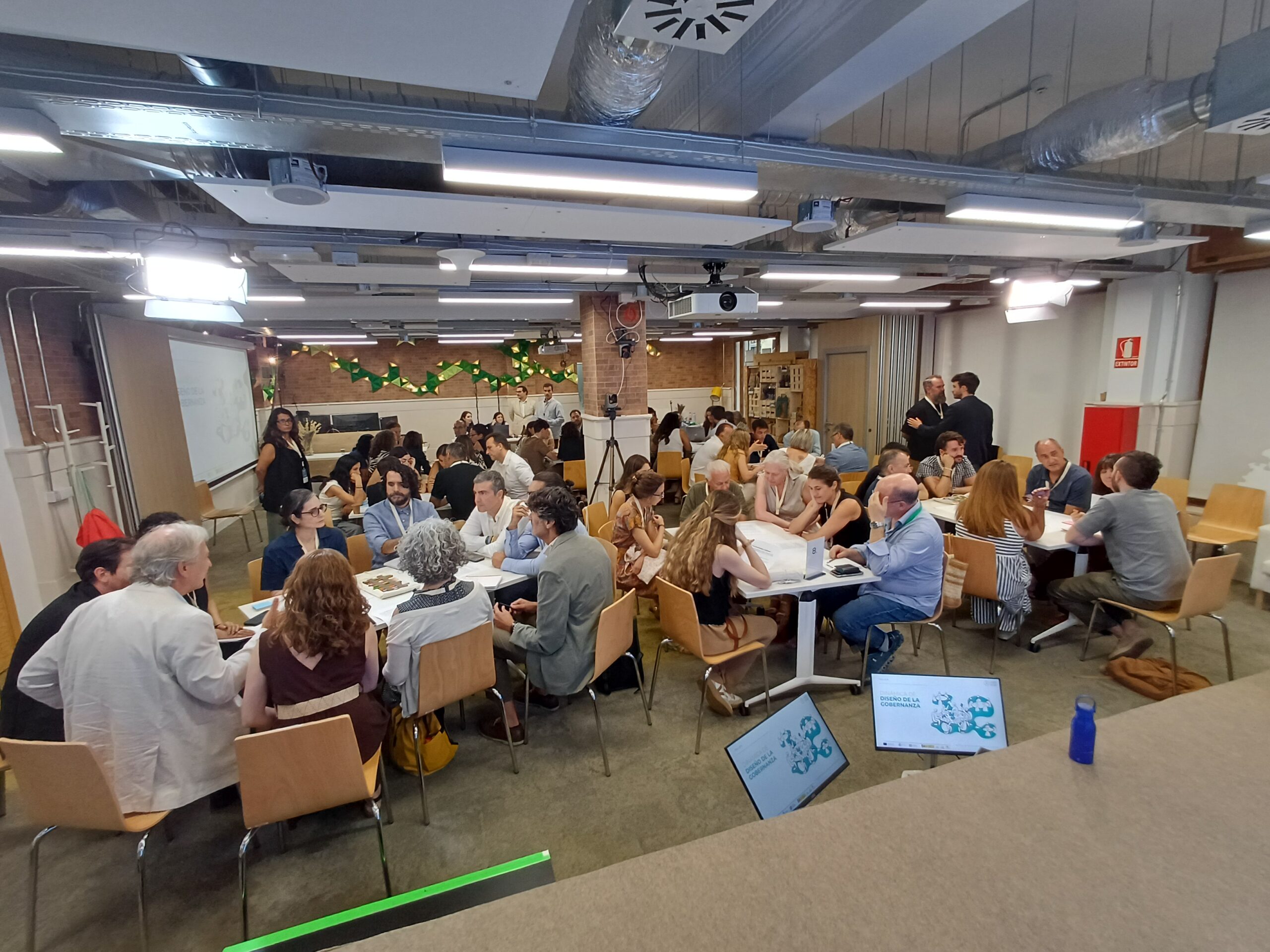
The participatory workshops were once again among the most highly valued components of the citiES 2030 Annual Meeting, offering an opportunity for the direct exchange of experiences, peer learning, and the joint search for solutions to common challenges. Through collaborative activities, representatives from different cities and organizations shared progress, concerns, and needs related to the implementation of their climate missions, creating an open, action-oriented workspace. The sessions helped identify best practices, strengthen collaborative networks, and share useful tools for moving toward climate-neutral cities.
Workshop on Co-Governance Workshop by the Cities Mission
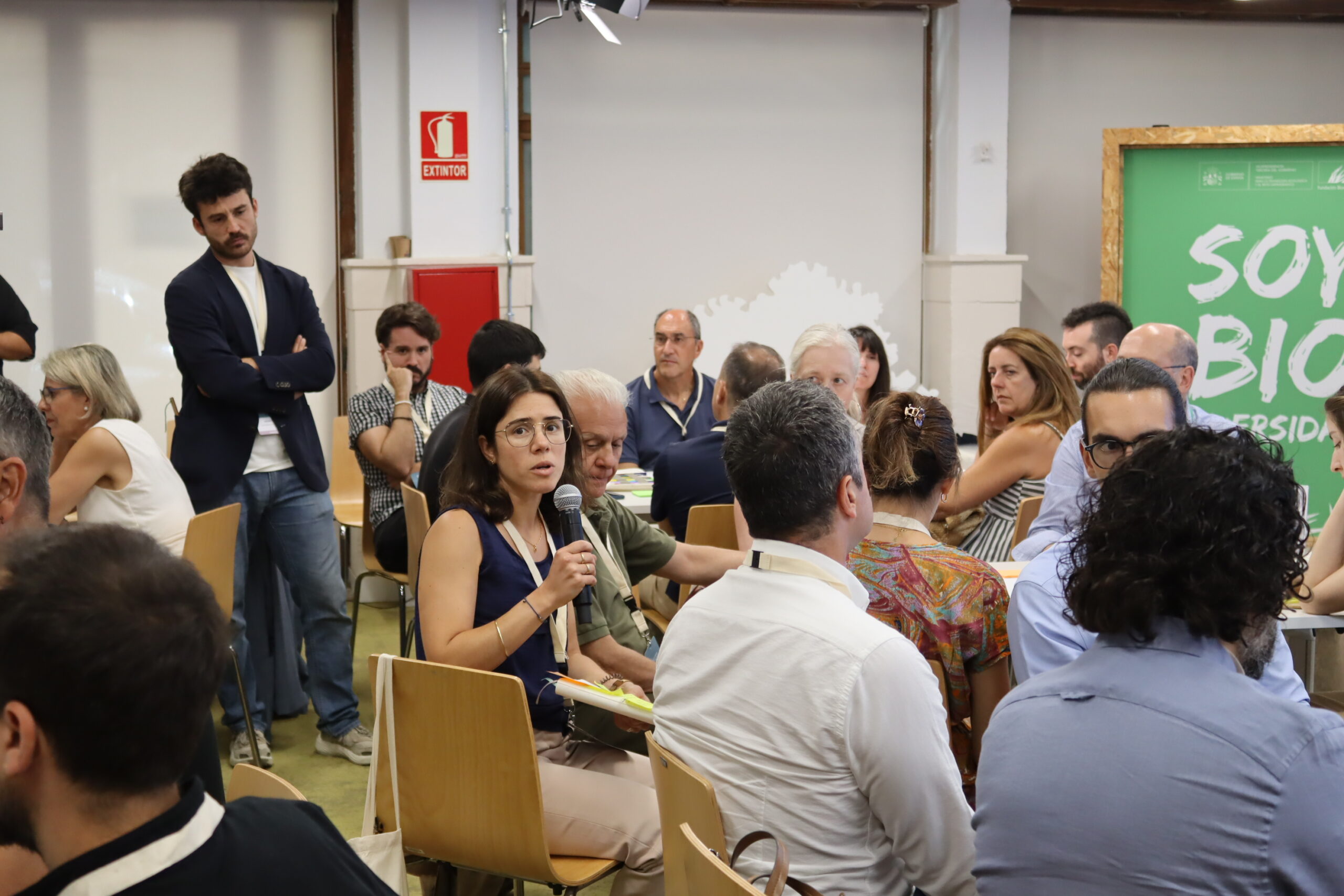
At the governance workshop, facilitated by Sustainable Startup & Co, participants reflected on how to consolidate governance structures capable of supporting long-term climate goals. The discussion highlighted the need to move toward clearer, more stable, and more operational models, with defined responsibilities, permanent coordination mechanisms, and sufficient resources to drive action.
In addition, the importance of strengthening collaboration among government agencies, tailoring support to the different realities of municipalities, and ensuring the continuity of climate initiatives beyond political cycles was emphasized. The importance of data quality and usability in this type of project was also highlighted.
Workshop on funding for missions as part of the European Pathways2Resilience project
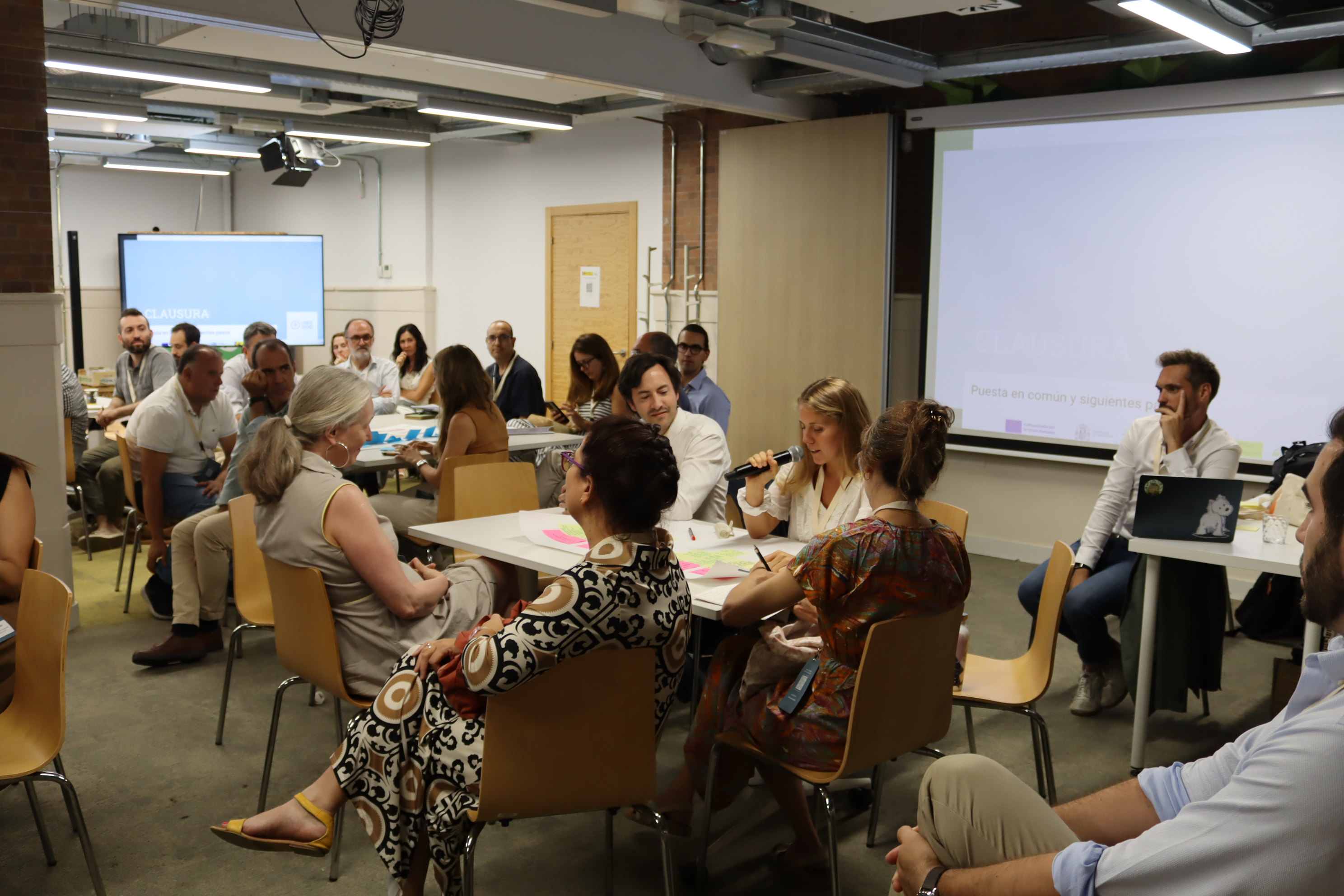
Adaptation financing was the focus of the workshop “Adaptation Financing for Missions: From Urban Climate Action to Investable Projects,” held during the citiES 2030 Annual Meeting. The session, facilitated by TECNALIA and Climate-KIC, took place within the framework of the European Pathways2Resilience (P2R) project and European initiatives aimed at strengthening the climate resilience of cities and regions.
Using a participatory methodology based on an adaptation financing canvas, participants analyzed how to transform priority climate actions into financially viable projects capable of attracting investment. To do so, they worked on four real-world case studies: the network of climate shelters in Valencia, the renovation of homes in Vitoria-Gasteiz, the restoration of the Pisuerga riverbank in Valladolid, and the renaturalization of schoolyards in Zaragoza.
The discussion highlighted that, although adaptation projects generate significant social, environmental, and economic benefits, there are still challenges in quantifying these impacts and translating them into sound financial arguments. Barriers related to regulatory complexity, limited experience with private financing, and the need to strengthen technical capacities in climate finance were also identified.
Among the key conclusions was the importance of promoting blended finance models, strengthening public-private partnerships, and improving cities’ capacity to structure bankable projects. The workshop confirmed that the major challenge is no longer identifying adaptation solutions, but rather turning them into mature, financeable projects that will accelerate the transition toward more resilient regions.
Workshop on Climate Engagement and Communication
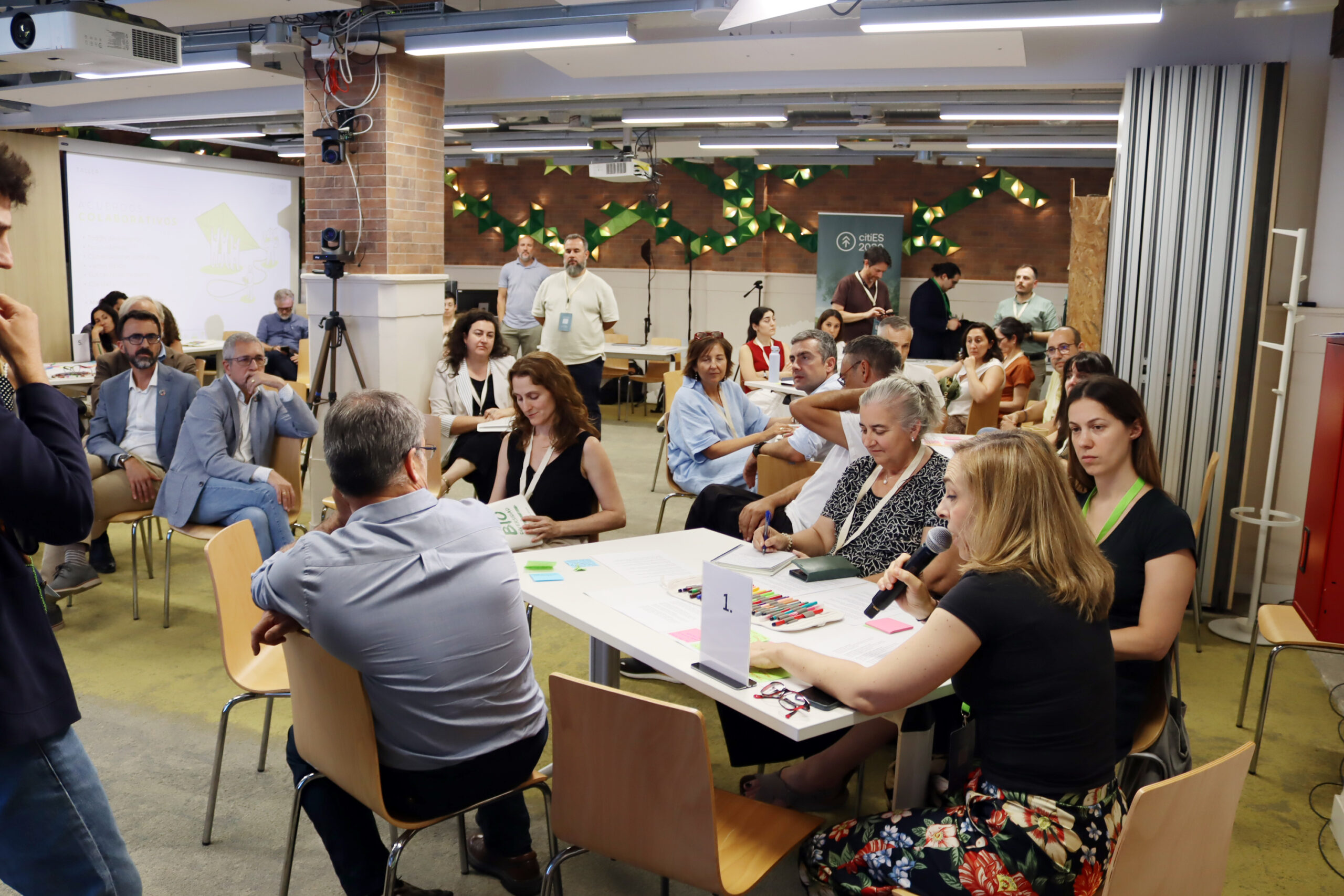 For its part, the participatory workshop It addressed the key role of citizens in urban and climate transformation. This workshop was also organized by Sustainable Startup & Co, and it allowed participants to work together to identify solutions, share experiences, and design responses tailored to each context. Participants worked in five groups to analyze and design strategies for real challenges faced by the cities of Madrid, Valencia, Valladolid, Viladecans, and Zaragoza.
Among the key conclusions were the importance of involving affected communities from the outset, adapting participatory processes to the characteristics of each audience, communicating transparently, and ensuring that the input received leads to clear outcomes. The session demonstrated, once again, that participation not only strengthens the legitimacy of decisions but also serves as a strategic tool for accelerating the effective implementation of local climate action.