EU CINCO 2.0
Advancing the decarbonization of the built environment in Spain
Access the resources
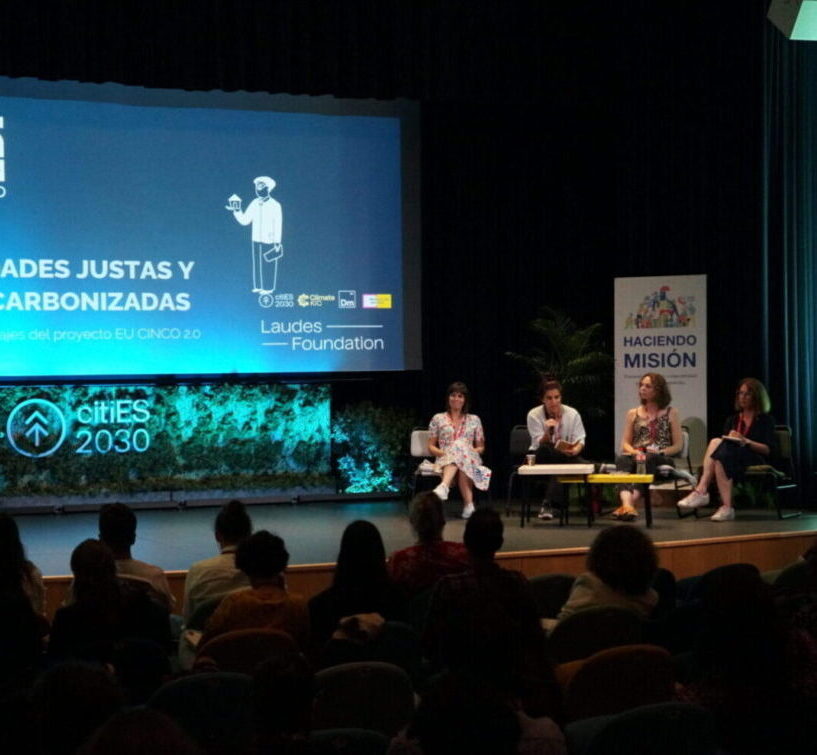
EU CINCO has been an initiative aimed at strengthening the integration of systemic decarbonization approaches into the built environment in Spain, helping to accelerate the implementation of the European Mission for Smart and Climate-Neutral Cities. In its second phase, EU CINCO 2.0 worked with cities and key stakeholders to move from conceptual exploration toward more robust implementation conditions, addressing one of the main challenges of the urban climate transition: translating climate ambition into concrete decisions and processes within municipal administration.
The project stemmed from a reality shared by many cities: concepts such as embodied carbon, circularity, and just transition are increasingly present in climate discourse, but remain poorly integrated into day-to-day planning, procurement, and renovation processes. In this context, EU CINCO 2.0 focused its work on understanding and addressing the institutional and governance barriers that hinder implementation, ranging from organizational fragmentation to a lack of coordination among stakeholders and departments.
Funded by the Laudes Foundation and led by citiES 2030, in partnership with Dark Matter Labs, Democratic Society, and Climate KIC – New European Bauhaus, the project worked with real-world processes in city halls and collaborated with Mission Cities such as Madrid, Valencia, Barcelona, Vitoria-Gasteiz, Valladolid, and Zaragoza, as well as with private-sector actors, academia, and European programs and networks such as NetZeroCities, CNCA, GBCe, C40, and EIT Community NEB. As a result, EU CINCO 2.0 has generated practical lessons and tools—such as the City Handbook and the Stories of Transformation—aimed at strengthening municipal capacities for a low-carbon, more equitable, and coordinated urban transition.
CITY MANUAL
The City Handbook is the result of work carried out under the EUCINCO 2.0 initiative in collaboration with city governments and stakeholders in the urban ecosystem. Designed as a practical tool, the handbook aims to help municipal teams translate systemic approaches to decarbonization into concrete decisions and processes within local government.
More than a technical guide or a compendium of best practices, the handbook serves as a starting point for sparking conversation, inspiring new approaches, and exploring how to integrate the decarbonization of the built environment into key areas of municipal action, such as urban planning, public procurement, and governance. Its approach is grounded in the real challenges of municipal work and proposes common frameworks, shared languages, and practical starting points for moving toward a more integrated and just climate transition.
Manual Credits:
-Editorial team: citiES 2030, Dark Matter Labs, Democratic Society, Climate KIC.
-Authors: Alicia Carvajal (Dark Matter Labs), Andrea Lusquiños (citiES 2030 – UPM), Aurora González-Adalid (Democratic Society), Natalia Vera (Climate KIC-New European Bauhaus), and Soledad Fontana (Dark Matter Labs),
-Narrative design: Democratic Society
-Illustrations: Ana Salom (Democratic Society)
-Original graphic design: Soledad Fontana (Dark Matter Labs)
-Layout: Andrea Lusquiños (citiES 2030 – UPM) and Soledad Fontana (Dark Matter Labs)
Chapters of the Manual
Clauses that transform cities
Building on the work carried out in Valencia, this chapter explores how public procurement can serve as a strategic lever to drive climate action at the local government level. It identifies common challenges—such as the predominance of price, the lack of collaboration among stakeholders, or uncertainty surrounding sustainability criteria—and shows how, by building partnerships within and outside the government, procurement can help accelerate decarbonization, promote circularity, and strengthen fairer and more resilient local economies.
Produced by Andrea Lusquiños (citiES 2030 – UPM) and Alicia Carvajal (Dark Matter Labs), in collaboration with Soledad Fontana (DML) and Aurora González-Adalid (Democratic Society).
Decarbonizing Urban Planning
Drawing on the experiences of Madrid and Vitoria-Gasteiz, this chapter analyzes how to integrate criteria related to embodied carbon, circularity, and just transition into urban planning regulations and planning tools. In a context marked by interconnected urban crises—land consumption, rising emissions, housing shortages, and social tensions—the chapter explores new forms of interdisciplinary collaboration to integrate urban planning, climate, and quality of life into urban decision-making.
Produced by Alicia Carvajal and Soledad Fontana (Dark Matter Labs), in collaboration with Andrea Lusquiños (citiES 2030 – UPM), Aurora González-Adalid (Democratic Society), and Natalia Vera (Climate KIC).
Transforming from within
This chapter addresses how to drive organizational change within municipal governments to facilitate the transition toward decarbonization. Drawing on experiences from various cities, it explores strategies for strengthening interdepartmental collaboration, promoting shared leadership, and improving decision-making. It also presents tools for building institutional capacity, mobilizing resources, and generating political support within municipal teams.
Produced by Aurora González-Adalid (Democratic Society), in collaboration with Andrea Lusquiños (citiES 2030 – UPM) and Alicia Carvajal (Dark Matter Labs).
Stories for Change
This chapter explores the role of communication in the transition of the built environment. It proposes narrative frameworks that connect climate action with everyday life, social justice, and the local economy, identifying key audiences and offering strategies to build legitimacy, trust, and collective action around urban transformation.
Produced by Aurora González-Adalid (Democratic Society), in collaboration with Alicia Carvajal (Dark Matter Labs) and Andrea Lusquiños (citiES 2030 – UPM).
Beautiful, sustainable, and inclusive
This chapter draws on lessons learned from European experiences and the NEB support provided to the cities of Valencia and Zaragoza, demonstrating how local governments can foster community-driven co-creation processes that lead to tangible improvements in citizens’ quality of life in urban settings through the values of sustainability, inclusivity, and aesthetics.
Produced by Natalia Vera (Climate KIC).
STORIES OF TRANSFORMATION
These stories of transformationhighlight specific moments of transition in cities and demonstrate how new perspectives—such as embodied carbon, climate justice, and sustainable rehabilitation—are beginning to shape internal discussions, technical decisions, and forms of collaboration among urban stakeholders. Through these narratives, the project also highlights some of the key advances and lessons learned throughout its implementation.
Rather than presenting ready-made solutions, these stories focus on the day-to-day experiences of municipal teams and the real dilemmas of public action. In doing so, they reveal transferable patterns of change that can spark new conversations, foster a sense of shared identity among cities, and trigger internal initiatives that drive transformation.
Stories of Transformation
Progress in the PPlan EStrategic Plan: embedded carbon and circularity:
It examines how incorporating embedded carbon criteria and just transition principles can strengthen urban planning and guide more comprehensive sustainability strategies.
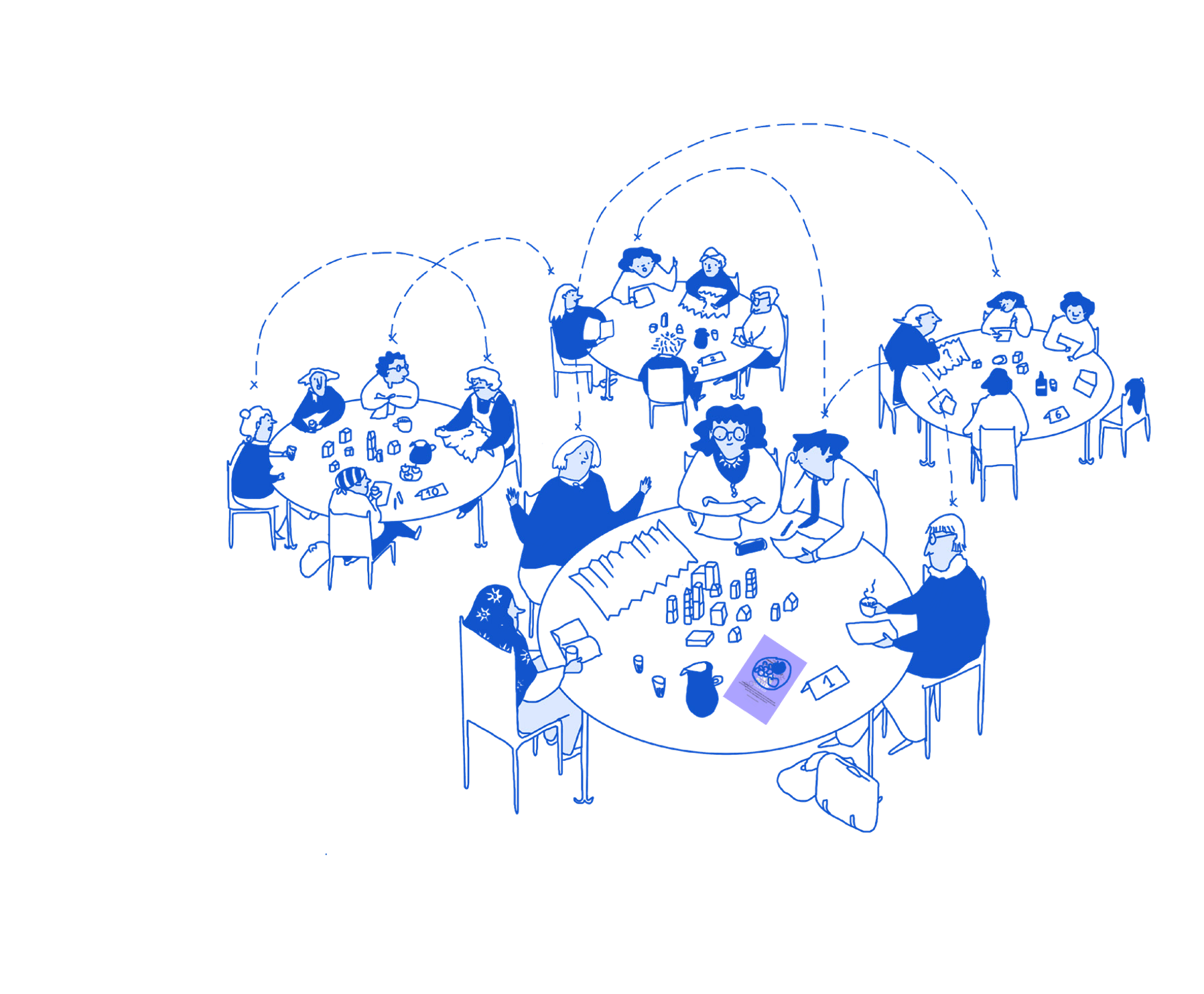
Driving market transformation through public procurement: the URBANEW initiative
It shows how the URBANEW project has helped Spanish cities use public procurement as a lever to integrate decarbonization, circularity, and a just transition into urban renewal processes.
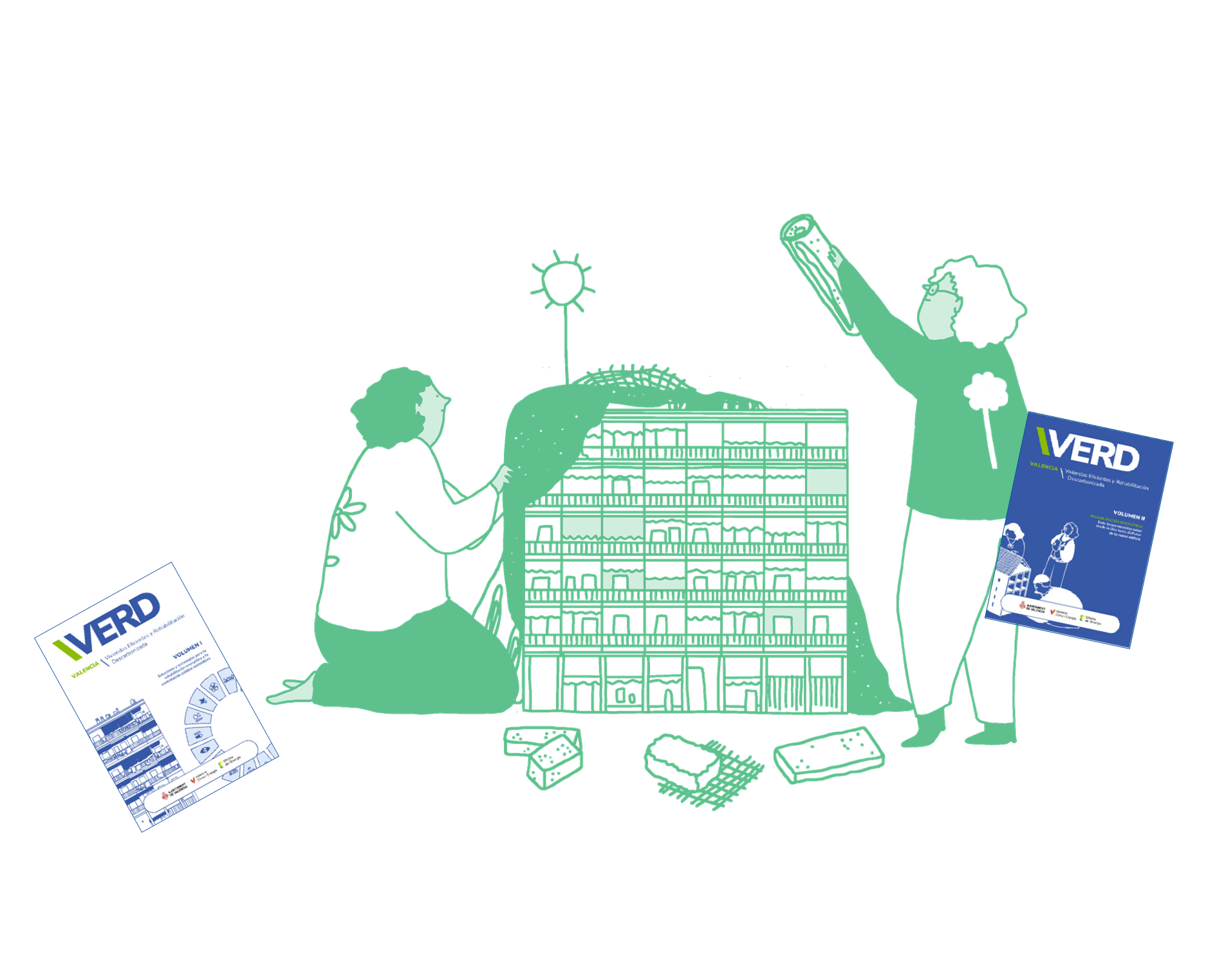
Incorporating climate justice and embodied carbon into city climate agreements of Spanish cities :
Explore how different cities are incorporating just transition, adaptation, and embodied carbon filters to guide more balanced and resilient decisions in the development of their Climate Agreements.
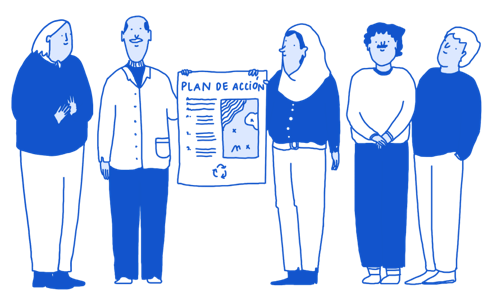
The Valencia Green Charter: A Unified Voice for European Cities:
It describes how collaboration between cities and European platforms led to a shared framework that strengthens political cooperation and helps scale up solutions toward climate neutrality.

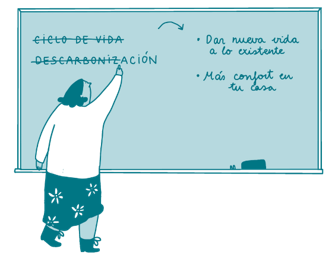
Rethinking decarbonization beyond the technical aspects:
It proposes a broader perspective on urban decarbonization, in which narrative, governance, and social justice become key elements in transforming this effort from a technical challenge into a cultural and collective process.

Making Progress Toward Decarbonizing the Built Environment in Spain
The EU CINCO 2.0 project was coordinated by citiES 2030, through Climate KIC and the Center for Innovation in Technology for Human Development at the Polytechnic University of Madrid (itdUPM). The activities carried out within the framework of this project were a joint effort between Climate KIC, itdUPM, Dark Matter Labs, Democratic Society and Climate KIC – New European Bauhaus.